 Retail Journal
Keep drawings close to production: turn late-stage problems into early fixes and keep retail timelines dependable
.svg)
.svg)
.svg)
.svg)
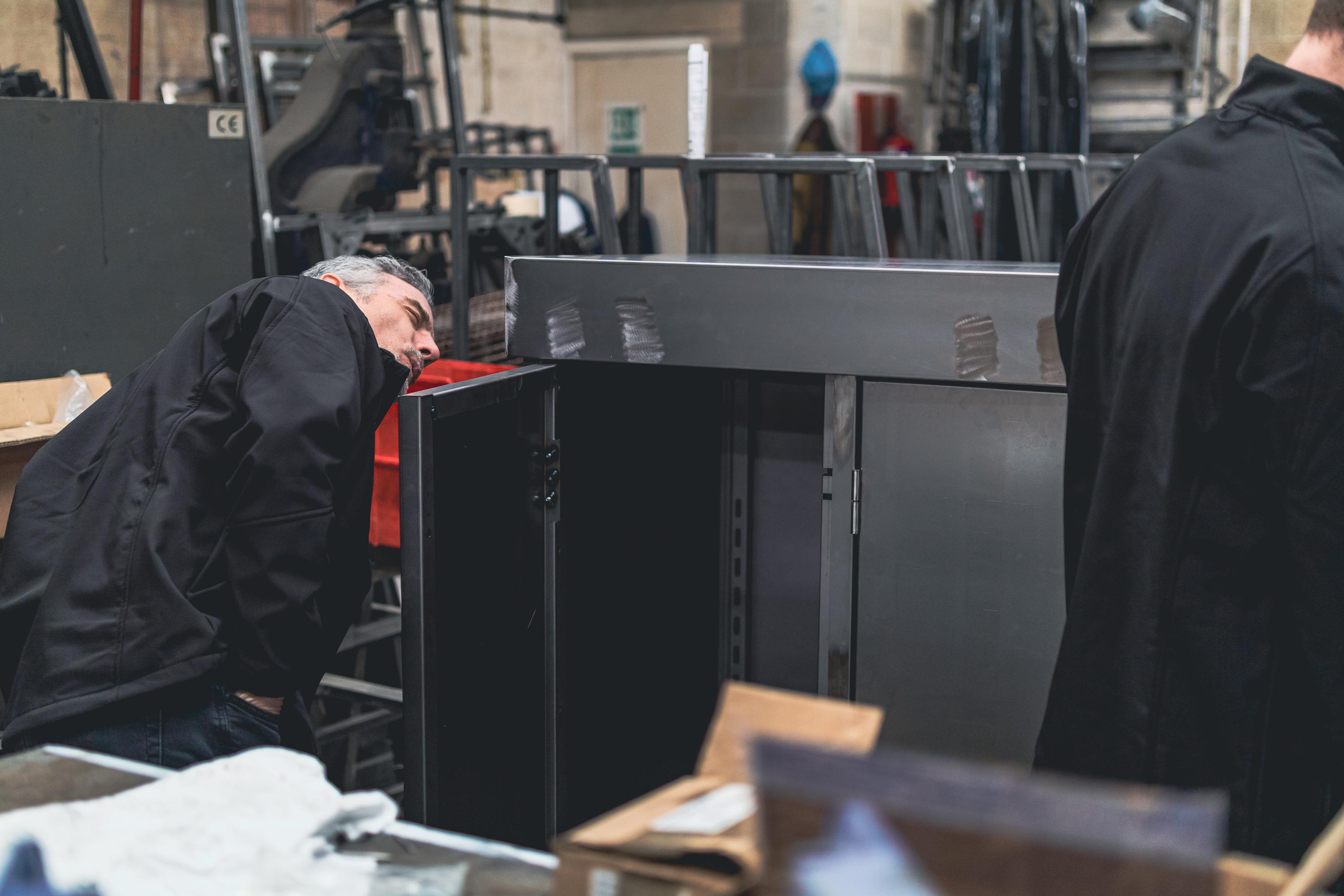
When a last-minute drawing glitch threatens your store rollout, every minute counts. Small issues often hide in plain sight until production is underway, risking costly delays and missed launch dates. Keeping drawings close to production lets the same team spot and solve these problems early, securing retail programme certainty from prototype to installation. Learn more about streamlining drawing processes. Discover how Ripple’s integrated design and build approach keeps your seasonal retail display on track with confidence.
The Importance of Integrated Design
Integrated design plays a crucial role in ensuring projects run smoothly from start to finish. By keeping everything connected, potential problems can be addressed early, saving time and resources.
Keeping Drawings Close to Production
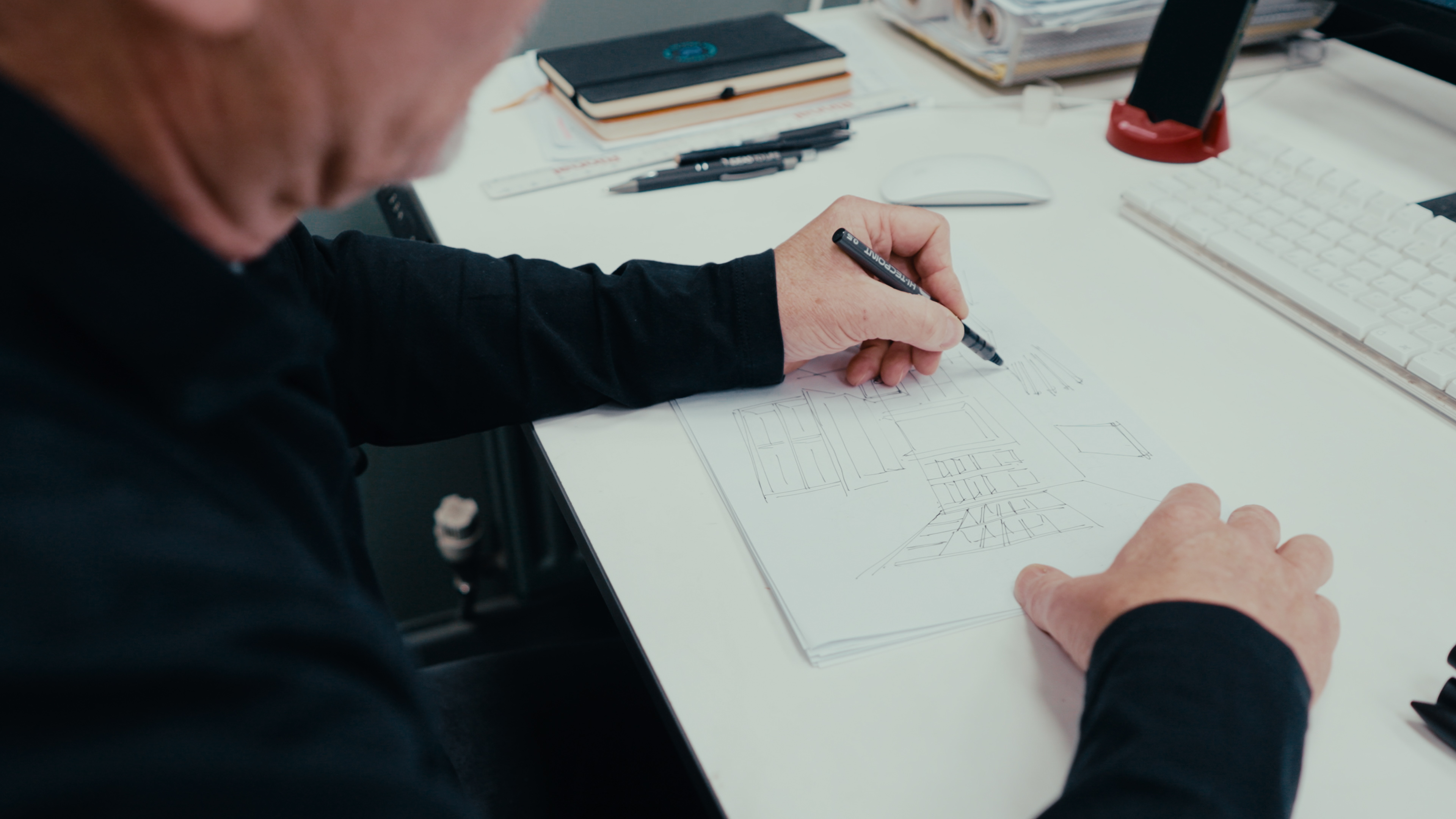
Having drawings close to production is vital. It allows the manufacturing team to spot any potential issues early. When designers and manufacturers work together, small glitches are noticed and corrected before they escalate. This proactive approach ensures that you maintain control over quality and timelines. The design for manufacture (DfM) process supports this by aligning the design and production phases, which is key to delivering projects on time.
Benefits of In-House Manufacturing
In-house manufacturing has clear advantages. It keeps the design and production teams aligned, allowing for seamless communication. This setup means fewer misunderstandings and quicker problem-solving. It also ensures that quality standards are consistently met. With control over every aspect, from design to installation, projects are completed efficiently and to a high standard, reinforcing Ripple’s reputation as a reliable retail design agency.
Early Detection of Production Issues
Spotting issues early is crucial for keeping projects on track. By integrating design and production, teams can identify and resolve problems before they escalate. This proactive approach prevents costly delays and ensures that projects meet deadlines. It is a process that enhances project delivery and maintains high standards throughout.
Ensuring Retail Programme Certainty
To ensure certainty in retail programmes, it is essential to manage each stage of the process carefully. This approach minimizes risks and guarantees that projects stay on schedule.
Avoiding Late-Stage Problems
Avoiding problems late in the project requires a proactive approach. By having a comprehensive plan from the start, you can identify potential issues. This foresight allows for adjustments and ensures that projects remain on track. With Ripple's 40+ years of experience, the team understands the importance of foresight and planning in avoiding disruptions.
Maintaining Dependable Retail Timelines
Dependable timelines are achieved through precise planning and execution. The key is in the details: ensuring each stage is completed on schedule without compromising quality. By managing the entire process in-house, Ripple can guarantee that projects are delivered promptly, maintaining their reputation for reliability.
Safeguarding Launch Dates
Launching on time is critical for the success of any retail programme. By keeping control over every stage, from design to installation, Ripple ensures that all deadlines are met. This control prevents last-minute issues and guarantees that your launch goes smoothly.
From Prototype to Production: A Seamless Process
A seamless process from prototype to production is essential for delivering high-quality retail solutions. This approach ensures consistency and quality at every stage.
The Role of Design for Manufacture (DfM)
Design for Manufacture (DfM) is crucial in creating products that are easy to produce and meet quality standards. By considering production needs during the design phase, potential issues are avoided. This method ensures that the final product is both functional and aesthetically pleasing. It is a key component of a successful retail display manufacture process.
Practical Steps to Fixture Engineering
Fixture engineering involves several steps. First, designs are developed with production in mind. Next, prototypes are created and tested. Finally, feedback is used to refine the product before full-scale production. This meticulous process ensures that the final product meets all specifications and performs as expected.
The Ripple Advantage in Retail Design Agency
Ripple stands out as a retail design agency because of its commitment to quality and seamless project execution. By managing design, production, and installation in-house, Ripple ensures that every project meets the highest standards. This approach guarantees that clients receive exceptional retail environments that engage customers and enhance brand value.
Frequently Asked Questions
What is the advantage of in-house manufacturing?
In-house manufacturing streamlines communication and ensures quality control. It allows for quicker problem resolution and consistency throughout the production process.
How does keeping drawings close to production help?
It enables early detection of issues, preventing costly delays and ensuring projects meet deadlines. This results in smoother project execution and reliable timelines.
Why is design for manufacture (DfM) important?
DfM aligns design and production, minimizing potential issues during manufacturing. This approach leads to high-quality products that are both functional and aesthetically pleasing.
How does Ripple ensure project timelines are met?
By managing all aspects in-house, Ripple controls quality and timelines, ensuring projects are completed efficiently and on schedule.
What makes Ripple a reliable retail design agency?
Ripple's 40+ years of experience, comprehensive in-house services, and commitment to quality make it a dependable partner for retail design projects.

Eliot Ramshead

Author fullname


More from the Retail Journal

What is Retail Interior Design?
Ripple has been designing retail spaces that generate fantastic results for retail stores for years. So, the team has put their expertise together and broken down everything you need to know about retail interior design.

Calm Retail Rollouts Start When Drawings Stay Close to Production
By integrating design closely with manufacturing, you can significantly reduce the risk of late-stage surprises. This integration ensures that drawings are not just appealing but also practical for production.
Why Collection Lockers Are Becoming a Competitive Advantage for Online Retailers
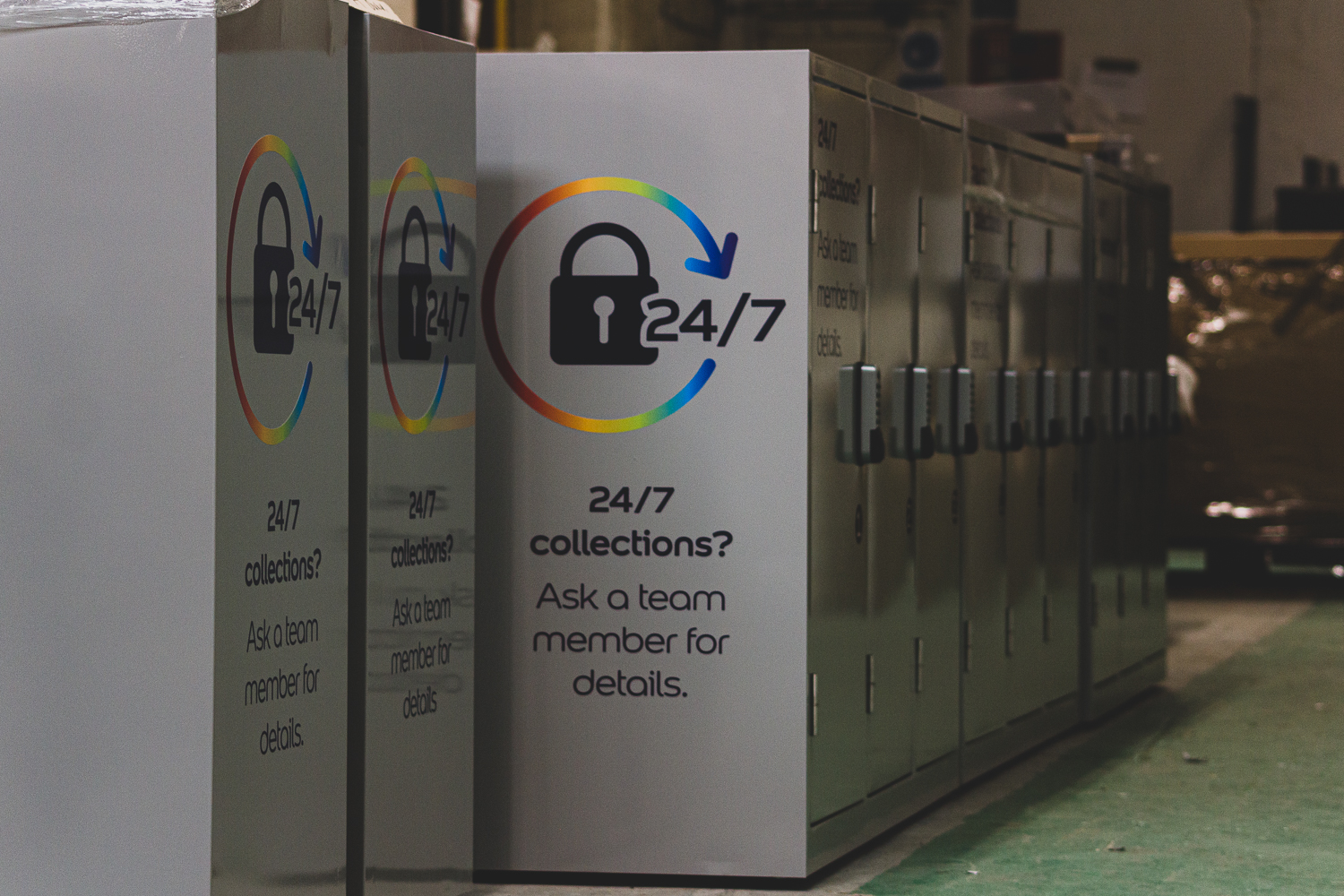
Customers may still care about price, range and service, but they also expect their orders to fit around their lives. Waiting at home for a delivery, rearranging a missed parcel or rushing to collect before a store closes can quickly turn a straightforward purchase into an unnecessary hassle.
Reach Us
Let’s start the conversation.

Greater Manchester OL4 2AB