 Retail Journal
GTA VI at Selfridges: What does it take to bring a digital world into physical retail?


As Grand Theft Auto VI launches, Selfridges has transformed part of its Oxford Street flagship into the fictional world of Vice City. Beyond the spectacle, what can retailers learn about creating immersive environments that deliver a meaningful customer experience?
Grand Theft Auto VI officially launches today, 19 November, marking one of the most anticipated releases in gaming history.
But while the game itself exists in a digital world, Rockstar Games has taken an interesting approach to bringing that world into the physical one.
Working with Selfridges, the developer has transformed The Corner Shop at its Oxford Street flagship into a Vice City-inspired retail environment, complete with dramatic installations, interactive visual elements and exclusive merchandise.
It's an ambitious example of experiential retail, but what interests us at Ripple is the thinking behind the physical environment.
How do you translate a recognisable digital identity into something customers can experience in person? What makes an installation effective beyond its initial visual impact? And how can retailers apply similar principles without the budgets associated with a global entertainment launch?
Creating an environment customers recognise before they enter
One of the most striking aspects of the Selfridges activation is how the experience begins before visitors even step inside.
The Oxford Street façade has been transformed using Vice City's distinctive pink and blue palette, with animated artwork and changing lighting bringing elements of the fictional environment into one of London's busiest shopping destinations.
Inside, the experience continues through architectural references, themed merchandise and large-scale installations, including a recreation of the game's Grotti Cheetah supercar and a 10-foot Macca the Gator figure.
The visual identity is consistent throughout.
From a retail design perspective, that's important. A successful environment should communicate what it represents without relying entirely on signage or explanation.
Colour, materials, lighting, scale and layout all contribute to that recognition.
It's something we consider when designing retail displays and branded environments at Ripple. The way a customer first encounters a space can shape how they understand and interact with everything that follows.
A strong visual identity is valuable, but translating it consistently across an entire physical environment is where considered design makes the difference.
Behind the spectacle is a significant design and manufacturing challenge
It's easy to look at an installation like this and focus on its visual impact.
What interests us just as much is the practical process required to bring something of this scale into a working retail environment.
A fictional world offers almost unlimited creative freedom. Physical retail doesn't.
Every design decision needs to account for materials, structural requirements, manufacturing methods, transportation, installation and the conditions of the space itself.
Large-scale features need to be buildable and safe. Finishes must work under retail lighting. Displays need to accommodate products while allowing customers to move comfortably through the environment.
And with temporary activations, there's another consideration: time.
Installation windows can be limited, particularly within established retail destinations where the surrounding business needs to continue operating.
We haven't been involved in the Selfridges project, so we can't comment on its specific manufacturing methods or installation programme. However, these are the challenges familiar to anyone responsible for delivering bespoke retail environments.
At Ripple, bringing design and manufacturing together early in a project helps us address these practical considerations before they become problems on site.
The creative ambition matters, but so does making sure the finished environment can be delivered successfully.
The difference between an impressive installation and an effective retail space
There's no question that a full-size supercar and oversized character installations make an impact.
But visual spectacle alone doesn't determine whether a retail environment is successful.
A more useful question is what happens once the installation has captured someone's attention.
Does it encourage visitors to enter? Is there a clear journey through the space? Can customers explore the products comfortably? Does the environment help people understand the brand and what it offers?
These questions are just as relevant to a small product display as they are to a large experiential takeover.
The Selfridges activation combines recognisable installations with more than 50 exclusive products, including clothing, accessories and merchandise inspired by the game's fictional brands.
The products are connected to the world around them, giving the retail offer a natural place within the wider experience.
That relationship between environment and product is worth paying attention to.
An installation might attract visitors, but the retail layout still needs to support discovery and purchasing.
At Ripple, we approach display design with both considerations in mind. How something looks is important, but so is how customers use it, how products are presented and how the environment supports the retailer's objectives.
Good retail design needs to work beyond the initial impression.
Measuring the value of experiential retail
Major brand activations are often judged by the attention they generate.
Social media coverage, photography and press interest can all extend the reach of a physical experience well beyond the people who actually visit it.
The Selfridges takeover is particularly well positioned for this, with its prominent Oxford Street location and recognisable gaming identity.
But for retailers investing in physical environments, visibility should be considered alongside commercial performance.
Depending on the objectives, useful measures might include increased footfall, dwell time, product interaction, sales conversion or the number of customers engaging with a new product or service.
Not every activation needs to deliver all these outcomes.
A temporary brand experience designed to build awareness will naturally have different measures of success from a showroom designed to support purchasing decisions.
What's important is identifying those objectives before the design process begins.
A visually impressive installation might attract attention, but understanding what that attention achieves is what helps retailers make informed decisions about future investment.
For us, this is where conversations about retail design should begin: what does the business need the environment to accomplish?
The creative approach can then develop around that purpose.
What can retailers with smaller budgets learn?
Few retailers will have the resources to recreate an entire fictional city or commission a full-size bespoke supercar.
Fortunately, the principles that make an experience engaging aren't dependent on the scale of the budget.
Start with a clear identity.
The Selfridges installation works because its visual language is recognisable and consistent. Retailers can apply the same thinking through materials, lighting, graphics and product presentation, even within a single display.
Make the environment worth exploring.
An effective retail space should encourage customers to move beyond what they can see immediately. Consider how layout, focal points and product positioning can create a natural journey.
Give products a meaningful place in the experience.
The strongest retail environments don't treat product displays as an afterthought. They integrate products into the wider design so that the experience supports discovery and consideration.
Consider how the space will be delivered and maintained.
Design decisions should account for durability, installation, future changes and how the environment will perform throughout its intended lifespan.
Be clear about the commercial objective.
Whether the goal is attracting visitors, introducing a new range or improving the showroom experience, the design should be developed with that outcome in mind.
These principles can be applied to everything from temporary retail activations and branded displays to permanent showrooms and national store programmes.
And in many cases, thoughtful improvements to an existing environment can be more valuable than creating something entirely new.
Physical retail still has an important role in a digital world
Perhaps the most interesting aspect of the GTA VI collaboration is that it's promoting a digital entertainment product through a physical experience.
Rockstar Games has created an extensive virtual world, yet there's still value in giving customers something tangible to explore.
Visitors can experience the scale of installations, interact with products and share the experience with others in ways that digital advertising alone cannot replicate.
For us, it's a useful reminder of what physical environments continue to offer brands.
As retail becomes increasingly connected across physical and digital channels, there is an opportunity to think more carefully about the role each environment plays.
A showroom might help customers understand products they've researched online. A pop-up could introduce a digital-first brand to new audiences. A well-designed display can make a complex product easier to understand.
The format will vary, but the principle remains the same: physical spaces should offer customers something relevant and worthwhile.
What the Selfridges takeover tells us about retail design
The GTA VI activation at Selfridges is an ambitious example of how design can translate a brand's identity into a physical environment.
The scale of the installations makes it memorable, but the underlying considerations are familiar to retailers of all sizes.
How should a space communicate the brand? What encourages customers to engage? How will the environment be manufactured and installed? And how will the business know whether it's working?
These are questions worth asking regardless of the size or duration of a project.
At Ripple, our work across retail displays, showrooms and bespoke environments brings design, manufacturing and installation together under one roof. That experience has reinforced the importance of considering creative ideas alongside practical delivery and commercial purpose.
The Selfridges takeover offers plenty of inspiration, but perhaps its most useful lesson is that ambitious retail design needs to be supported by clear thinking about how the space will function.
Because creating an environment that attracts attention is one challenge. Creating one that works for the brand, its customers and the business is another.
The Vice City at Selfridges activation runs from 9–28 November 2026 at The Corner Shop, Selfridges London.

Eliot Ramshead

Author fullname


More from the Retail Journal

What is Retail Interior Design?
Ripple has been designing retail spaces that generate fantastic results for retail stores for years. So, the team has put their expertise together and broken down everything you need to know about retail interior design.
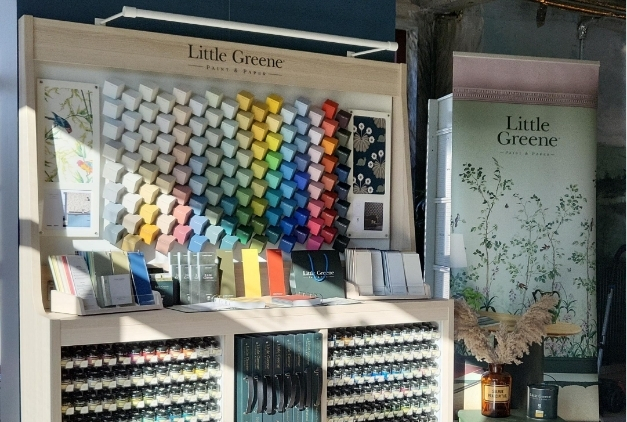
Raise Your Retail Game This Season: End-to-End Showroom Design, Build and Installation That Performs from Day One
When peak season hits, showroom pressure spikes and every detail counts. Your retail environment can’t afford delays or handoff gaps that stall momentum.
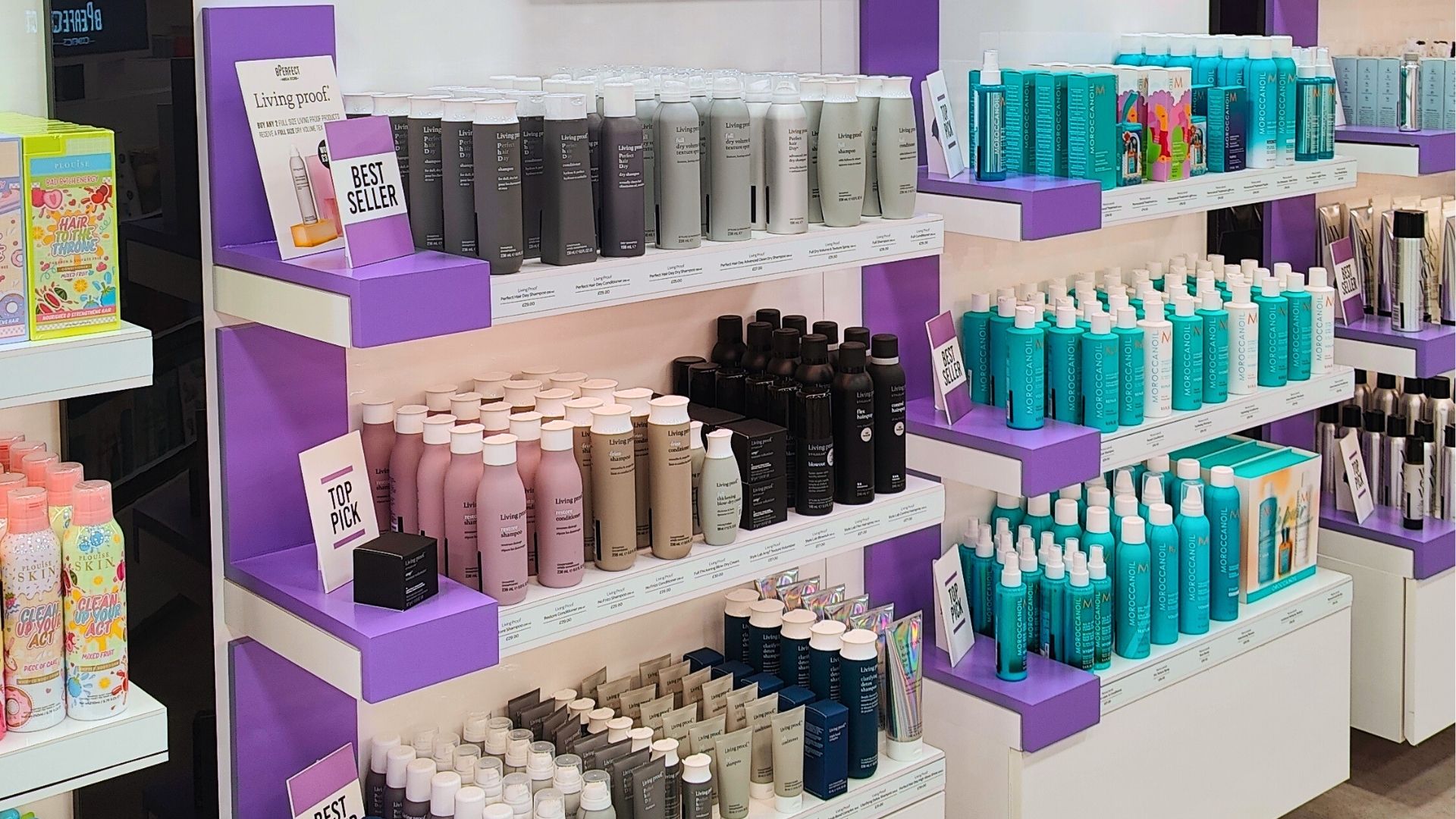
Modular shelving and interactive displays: the right POP for faster holiday decisions
Holiday shoppers hesitate longer than you want. Their indecision slows sales and clogs checkout lines during peak retail season. Modular shelving and interactive retail displays offer clear, practical ways to speed up in-store decision moments.
Reach Us
Let’s start the conversation.

Greater Manchester OL4 2AB